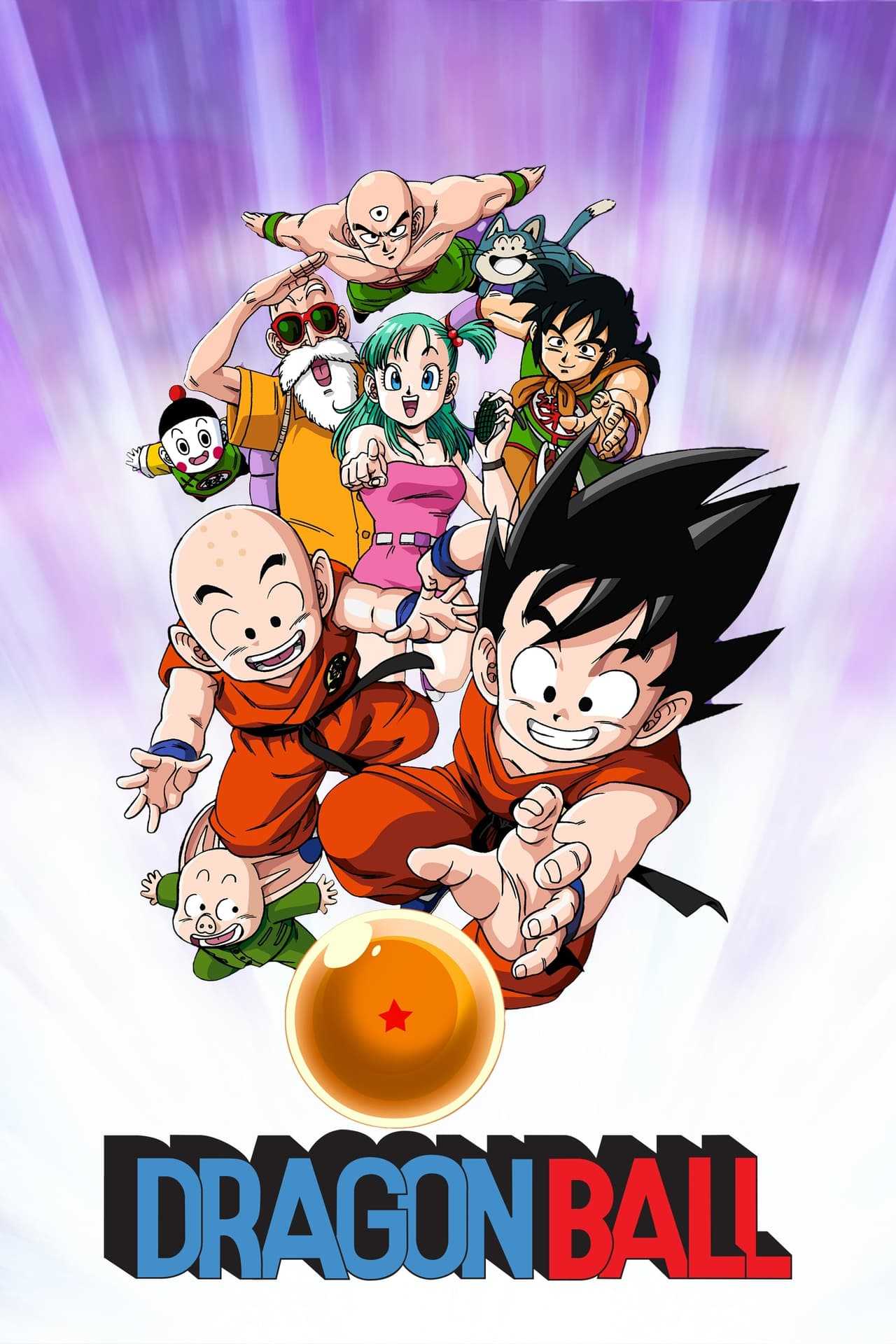
Why Dragon Ball Remains the Benchmark for Shonen Anime, and How JoJo's Bizarre Adventure Redefines the Genre
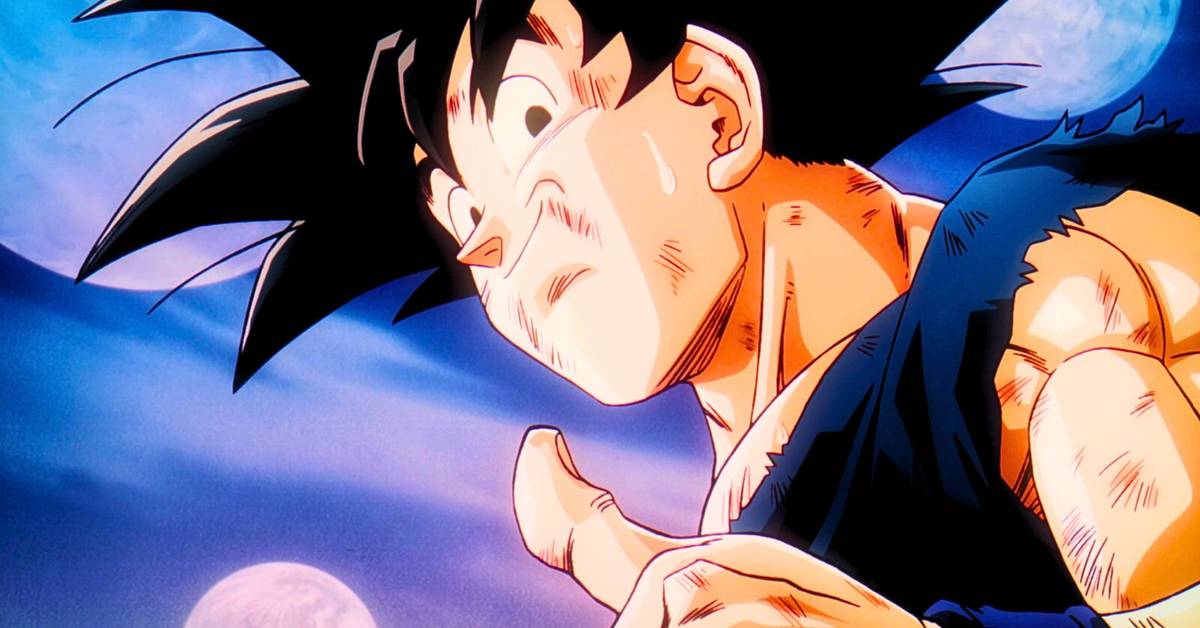
Published on April 14, 2026, this piece delves into the enduring legacy of Dragon Ball within the shonen anime landscape, tracing its roots from the early days of Weekly Shonen Jump to its ongoing cultural significance. The author, J.R., brings a wealth of experience as both a manga enthusiast and a former anime editor, offering insights grounded in decades of fandom history.
While Dragon Ball set the template for battle-driven narratives, its influence stretches beyond mere combat scenes—shaping the expectations and aspirations of countless fans worldwide. Its power system, memorable arcs, and iconic characters have cemented its status as a cornerstone of the medium. Yet, as the anime world evolves, so too does its appetite for diversity in storytelling.
Enter JoJo's Bizarre Adventure, a series that boldly diverges from traditional shonen conventions. From its debut in Weekly Shonen Jump during the late 1980s, JJBA introduced a blend of mystery, horror, and stylized action that challenged audience perceptions. Unlike the straightforward progression of strength seen in Dragon Ball, JJBA thrives on unpredictability, intricate stand battles, and a deep-rooted connection to its characters’ psyches.
Recent events, such as the Netflix release of Steel Ball Run, highlight how both franchises continue to capture imaginations across platforms. Dragon Ball remains a symbol of relentless ambition and growth, while JJBA explores themes of legacy, identity, and the human condition through its unique lens. The contrast between these two titans reveals much about the shifting tides of anime fandom.
Beyond Power Levels: The Artistry of Storytelling
What sets JoJo's Bizarre Adventure apart is its commitment to narrative experimentation. Each arc introduces new aesthetics, philosophical questions, and unconventional villains, ensuring that the series feels fresh even after decades. The franchise’s embrace of theatricality—from dramatic poses to elaborate fight choreography—creates an immersive experience that resonates with viewers seeking more than just spectacle.
Meanwhile, Dragon Ball continues to adapt, introducing new generations to its world while honoring classic elements. Its ability to balance heartfelt character moments with explosive battles ensures that it remains accessible to both longtime fans and newcomers alike. The franchise’s expansion into video games and movies further demonstrates its versatility.
The juxtaposition of these two giants underscores the richness of anime as a medium. Whether through the disciplined training of Goku or the enigmatic flair of Dio Brando, both series offer compelling reflections on perseverance, friendship, and self-discovery. As streaming platforms reshape consumption habits, their enduring appeal speaks volumes about the timeless nature of compelling storytelling.
In conclusion, while Dragon Ball stands as a pillar of shonen tradition, JoJo's Bizarre Adventure pushes boundaries, inviting audiences to question what anime can achieve. Together, they represent the dual forces of stability and innovation that keep the genre vibrant and ever-evolving.