Exploring the Psychological Depths of Mindhunter and Hannibal
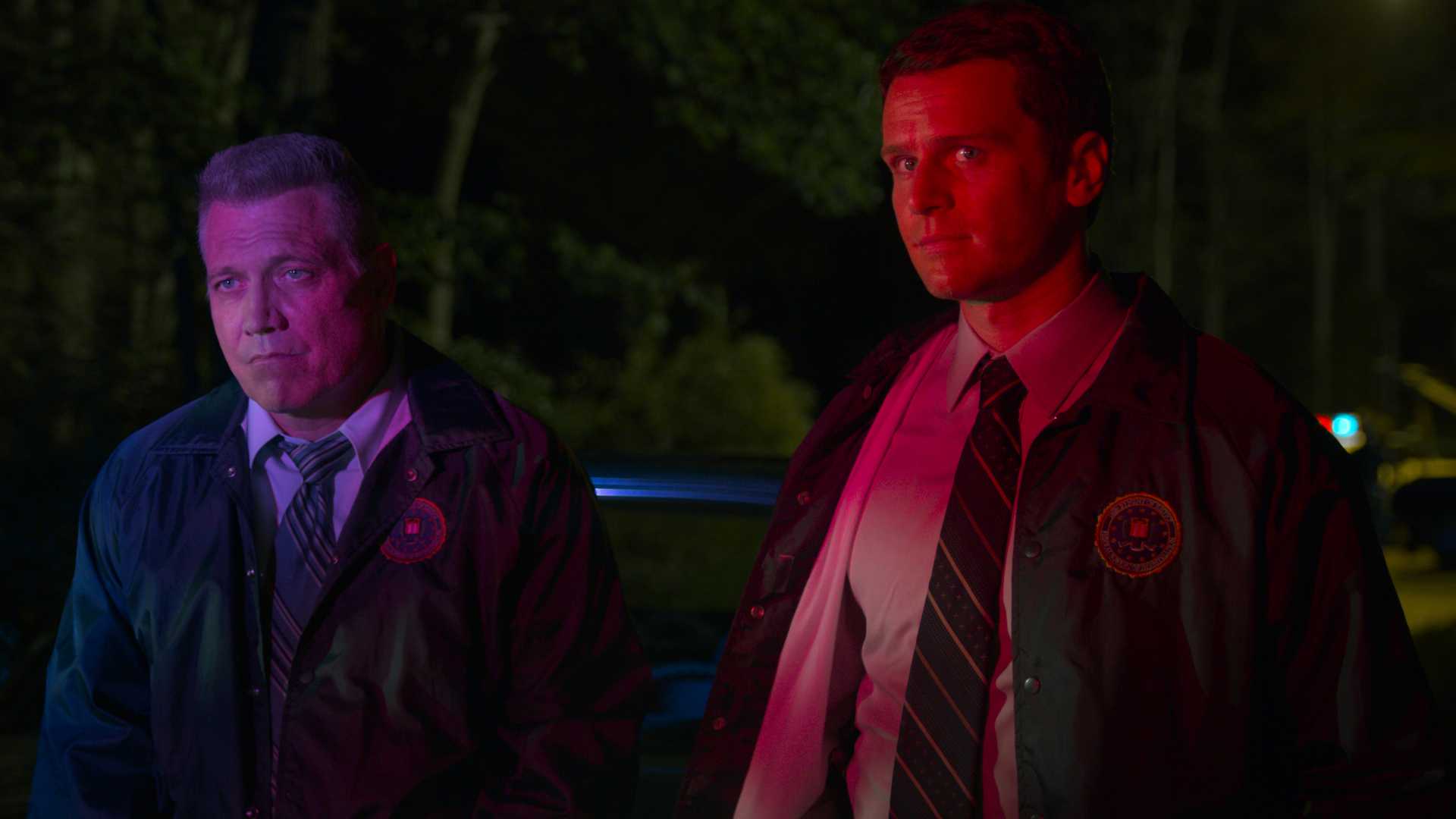
Published on May 5, 2026, this analysis highlights the unique approaches taken by Mindhunter and Hannibal in portraying the chilling realities of criminal psychology. With roots in true events, these series offer a blend of factual and fictional narratives that captivate audiences worldwide.
Mindhunter stands out for its meticulous recreation of the FBI's Behavioral Science Unit interviews with notorious serial killers, grounding its storytelling in historical authenticity. The show's commitment to realism extends to its casting choices and narrative structure, providing a haunting exploration of the minds behind some of history's most chilling crimes.
Similarly, Hannibal elevates the psychological thriller genre by intertwining complex character dynamics with a deep dive into criminal profiling. Its innovative storytelling, focusing on the cat-and-mouse game between a brilliant profiler and a cannibalistic genius, keeps viewers on the edge of their seats while offering profound insights into human nature.
Mindhunter's Real-Life Interviews
Central to Mindhunter's impact is its use of actual interviews conducted by the FBI's Behavioral Science Unit. These real-life accounts lend an unparalleled sense of authenticity to the series, blurring the lines between documentary and drama in a way that few other shows have managed.
Hannibal's Complex Characters
The series' strength lies in its richly developed characters, particularly the intricate relationship between protagonist Will Graham and antagonist Hannibal Lecter. This dynamic not only drives the narrative tension but also invites viewers to ponder deeper philosophical questions about morality, identity, and the thin line separating sanity from madness.
Both series contribute significantly to the ongoing conversation about criminal psychology, offering compelling narratives that are as educational as they are entertaining. Their success underscores the public's enduring fascination with the darker aspects of human behavior and the quest for understanding those who operate beyond societal norms.
