The Summer Oath: Maya Hawke & KJ Apa Discuss Challenges Of Voice Acting
By & Published May 11, 2026, 3:03 PM EDT Summary Generate a summary of this story follow Follow followed Followed Like Like Log in Here is a fact-based summary of the story contents: Try something different: Show me the facts Explain it like I’m 5 Give me a lighthearted recap
Getting into a voice recording booth for an animated feature is one thing, but doing it without any visual components is a whole other challenge.
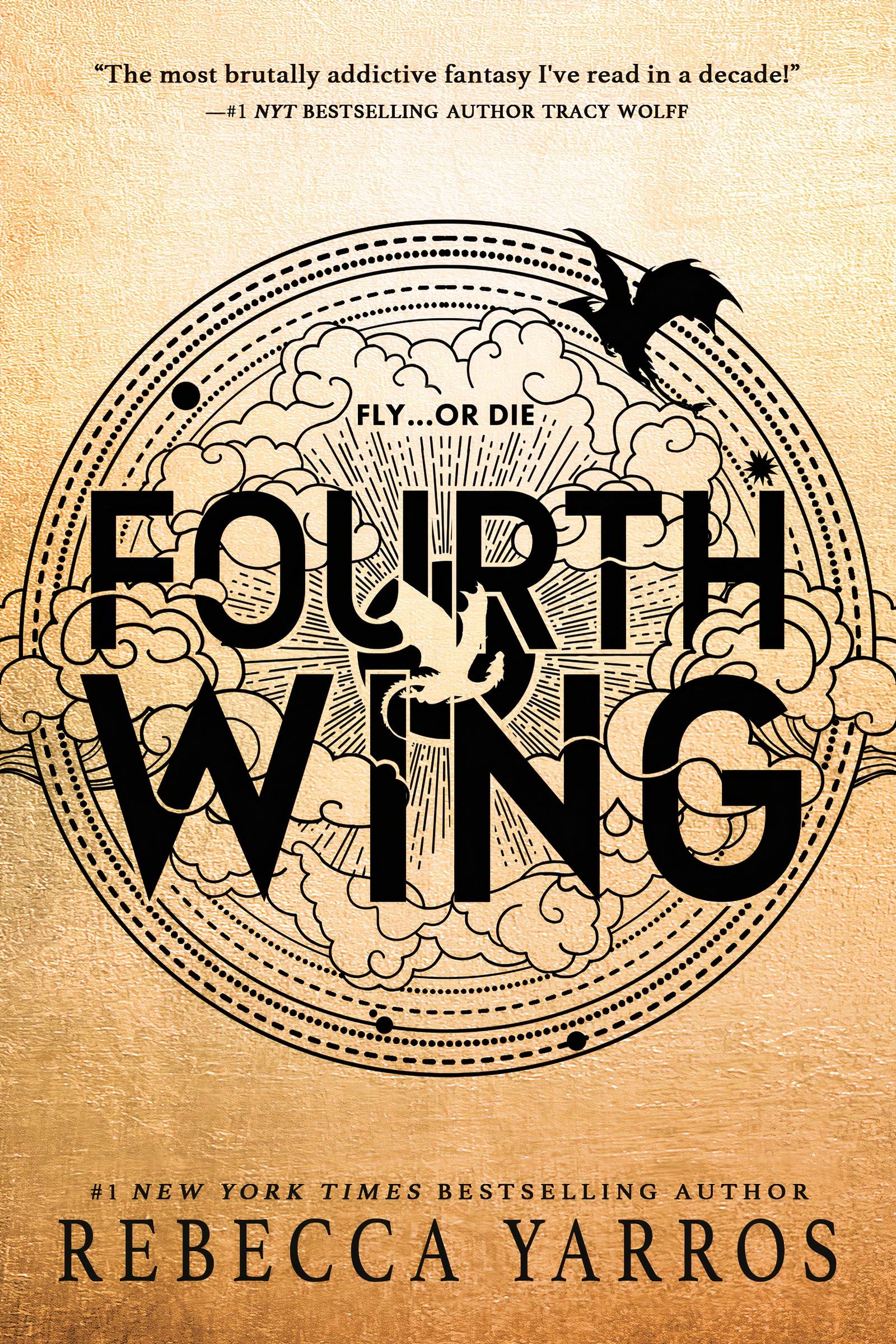
That's exactly what Maya Hawke and KJ Apa were tasked with when they signed on to voice , The Summer Oath. Written by Claire Friedman, and inspired by Shakespeare's classic Love's Labour's Lost, The Summer Oath follows bestselling romance author, Liva Gaines [Hawke], who is hit with a bout of devastating writer's block after her long-term boyfriend unexpectedly breaks up with her. With her deadline fast approaching and her publisher hot on her tail, Livia's agent offers a solution that gives her the chance to finish her novel in peace: house-sit a secluded estate in the Hamptons. The catch? It's not as quiet and serene as her agent intended. Joined at the estate by her friends, Livia is determined to put romance on the back burner and complete her novel by the end of summer, but things get complicated when a house-sitting group arrives at the estate, reuniting Livia with her college crush, Ezra Keats [Apa], whom she's never been able to forget.
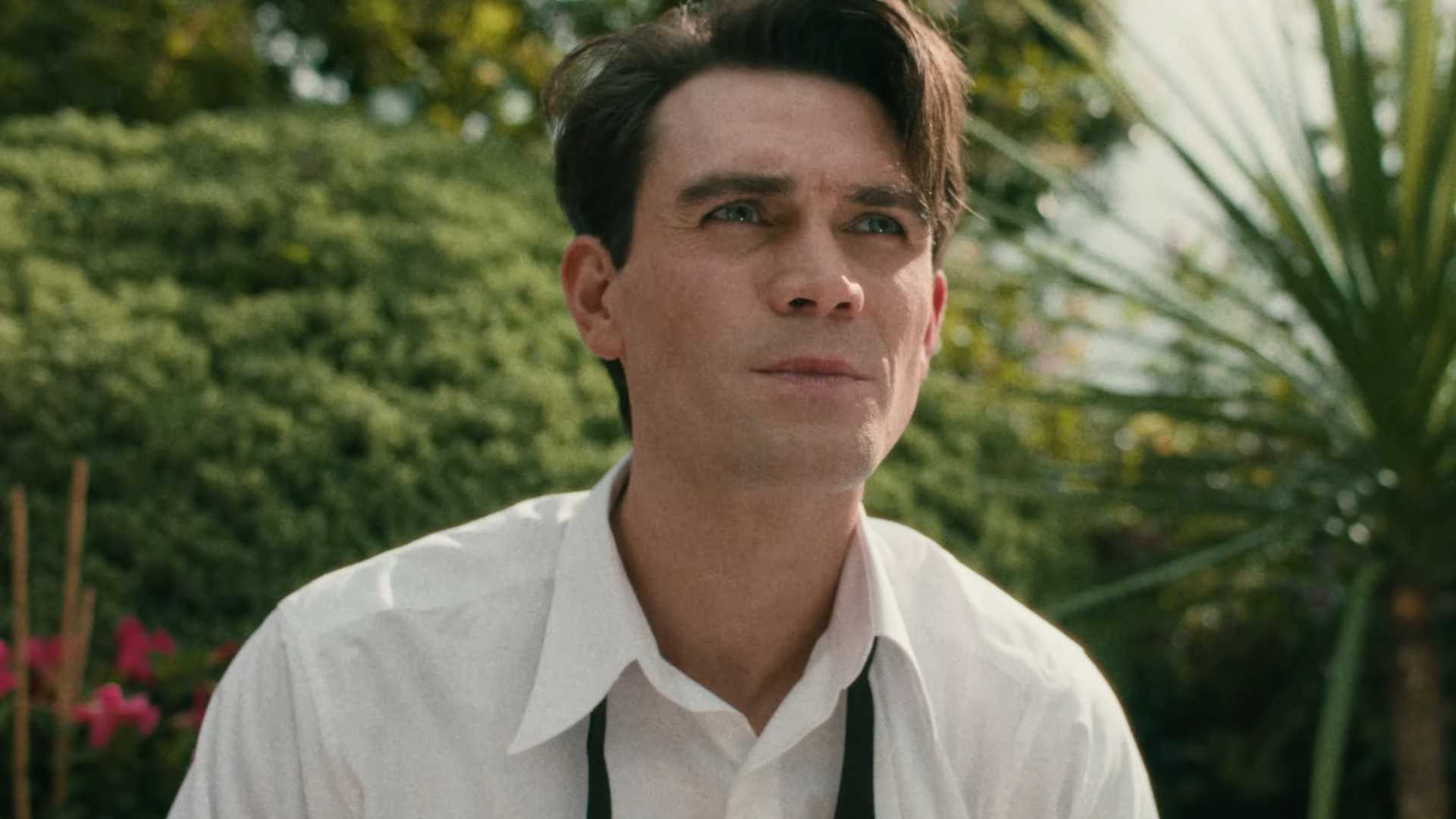
ScreenRant's Ash Crossan spoke to Hawke and Apa ahead of the audiobook's release, who admitted they had "no idea" what they were doing when they first signed on.
Voicing Characters With No Visual Elements Proved To Be A Unique Challenge For Maya Hawke & KJ Apa

Speaking about lending their voice to the project alongside the likes of Ego Nwodim, Milly Alcock, Alexandra Shipp, Gavin Casalegno, and Peri Gillpin, Hawke said the hardest part was "betraying" her long-held instincts as an actor to get the story across. , or the other TV and film projects she's been a part of, Hawke often fought with directors to "trust" the audience more, and not spell so much out for them, but with The Summer Oath, she found herself having to lay it all down on the table.
Maya Hake: The most challenging part for me was when you have to betray your instincts to get the story across. There are moments ... I think always a conversation between producers, directors, and cast is like, "How much trust do you have in the audience to know what's happening, and how much do you have to make sure you tell them what's happening?" And I think most of the fights that I get into with directors, and anybody, are always about me being like, "Trust them. Trust them. We don't need to spell it out for them. Trust them." And so those were the hardest moments for me, figuring out how to be really vocally explicit with what the feeling was that needed to be conveyed, and not just imagining that they would get it. That was kind of where I struggled. So that was the most challenging. And the most fun was just the freedom of being silly, and horny, and goofy, and weird, and the freedom that you get inside a sound booth to express such an extreme array of emotions and tones.
For Apa, there was a level of "pressure" felt when entering the recording studio, and while he admitted he had no idea what he was doing when he first signed on, by the time they wrapped, Apa found himself not only a fan of voice work but wanting to do more in the future.
KJ Apa: I think that the most fun was that we were kind of talking about it earlier, kind of feeling less pressure going into a studio, and not feeling like you have to be in front of a camera. I haven't gotten to do that much voice work, although I really find voice work really interesting and would love to do more of it. And so that was fun. And the challenging part, I think, was really just — there's that feeling that I have going into every project, and I felt more with this project because it was kind of a new experience for me. It's just like, I feel like I have no idea what I'm doing at the beginning of every project, and I pretend that I know exactly what I'm doing, but the reality is that I usually do all the work that I need to do to feel prepared, and then suddenly, I'm doing a rehearsal or at a table read, and I'm like, "F--k, I've absolutely no idea what I'm doing right now," until you are doing it, and you're like, "Oh, this is cool."
The Shakespeare Adaptation That Inspired The Book

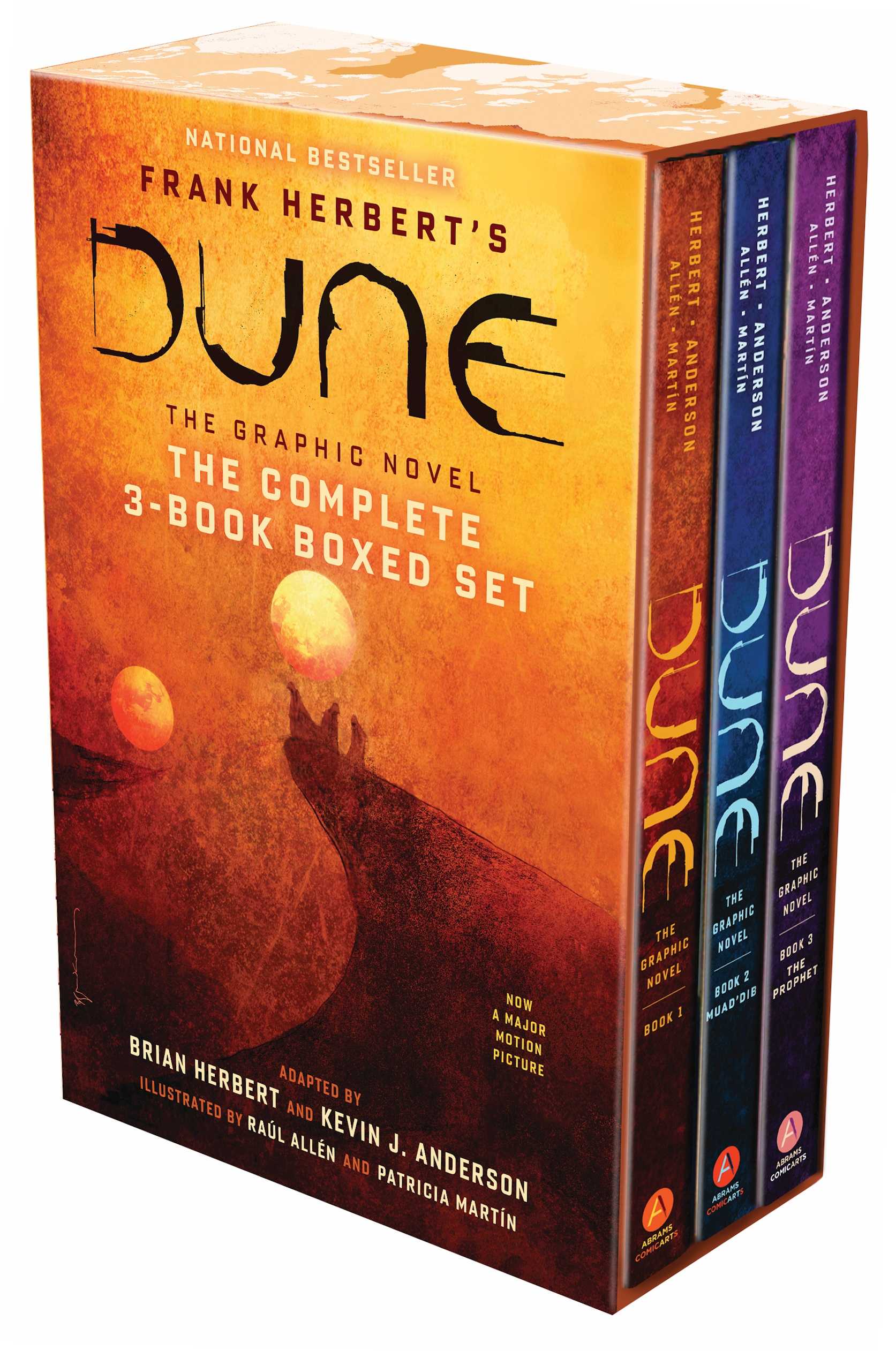
The Summer Oath took its inspiration from Shakespeare's 1590s-era play, Love's Labour Lost. Focusing on the themes of love, desire, and intellectual vanity, the comedy follows the King of Navarre and his three companions, as they, much like Livia, forsake love to focus on studying. That oath is quickly broken, however, when they meet the Princess of France and her ladies in waiting.
While it's been hundreds of years since Shakespeare penned The Summer Oath, adaptations of , and have served as the basis for some of the biggest hits of the '90s and early 2000s, including 10 Things I Hate About You and She's The Man. As for why Hawke feels his work still rings true today, she said it's the "high drama, high joy, and high humor" techniques he employed that make his stories simply "delicious."
Maya Hake: I think they work because of the same thing that people always say about Shakespeare, which is that there's seven stories in the world to tell. Every movie is one of seven different stories. I think that's the number. And Shakespeare wrote a play for each one. So, I think they work because fundamentally, all good stories exhibit similar qualities. And so, they're a great reference point to move off of. And they're so high drama, and high joy, and high humor. It's just delicious. My favorite is 10 Things I Hate About You, which I think would be a lot of people's answer.
Everything Else Hawke & Apa Said About The Summer Oath & What They're Working On Next

ScreenRant: You might have different answers for this, but you've both been part of these defining shows that have huge fan bases, and coming off of those, how do you think about what you want to do next? How do you think about what you want the next chapter to look like? And does this feed into that?
KJ Apa: I'm never thinking about what I want to do next. The question always comes up, "Where do you want to be in five years? What do you want to do? What kind of projects do you want to do?" I really don't feel like I have any control over the projects that I'm doing. I feel they are presented to me by something way bigger than me, and that's the way that I've approached life. And so I feel just grateful to be doing whatever I'm doing, and I have a very deep, compelling feeling that I'm meant to be doing it. And that it's not about me. My mindset going into projects is always like, "What can I give to this?" And I've found that with that mindset, I feel the most fulfilled when I'm in the process of it and when I've completed it.
Maya Hawke: I deeply relate to that deeply, deeply. And sometimes, I often think the most painful part of this job for me is when I have to choose. I find it the most relaxing when it almost feels like an assignment that's come from some larger entity that's like, "This is what you must do. Apply yourself to this." And then I'm kind of like, "Okay, great. Where do I look inside of myself to figure out what this needs and what can I give to this?" And I think I'm just learning about choosing, and how to do it, and how to have it not cause me as much pain as it does. And I think I'm in an era of trying to only choose things right now that move me. And I don't care how they move me, but they have to move me. And I think that I've made myself a pledge, and it's like a two-year pledge, that for two years I'm like, "I only want to do stuff that moves me." And I know that should be an internal forever pledge, but I think that this career, in terms of careers in the arts, acting is a funny one, because there are times when you are existing in your truest creative expression, and there are times when you're playing your part in something bigger than you, and you're figuring out how to fit into it. And there are all kinds of different moments and different reasons to make different choices along the road, and I think in the wake of Stranger Things being over, and before I have kids, I really want to dedicate a couple of years to really figuring out who I am as an artist, and following that compass really strongly. And so I don't know, that's not really a clear answer, but I'm figuring it out. I like it when it feels like an assignment. I struggle when it feels like a choice, but I'm working on struggling with that less and being more exacting about what I choose to do.
ScreenRant: As we enter the summer, what is your summer oath?
KJ Apa: My summer oath, I mean, I'm on a quest right now to put on weight. I'm putting on weight for this job that I have in June. And so that's my oath, every day, is putting on this weight.
Maya Hawke: How much are you trying to pack on?
KJ Apa: I'm trying to put on 20 pounds.
Maya Hawke: F--k, that's a lot. Of muscle or fat?
KJ Apa: Of muscle.
ScreenRant: Oh man.
Maya Hawke: F--k me. That's insane.
KJ Apa: I love that challenge. I love that challenge. I love that challenge. Because it's something that I have control over every day, and I like that. There's so many things in life that are out of your hands, and there's nothing — no one can stop me from achieving that. You know what I mean?
Maya Hawke: I can't imagine trying to put 20 pounds on my body, of either kind. I don't know how my body would hold it.
KJ Apa: Yeah, I love it. My body responds really well to it, too. My body can fluctuate and weigh very, very — it's very sensitive to it.
ScreenRant: KJ, what's that for? Can you say?
KJ Apa: Yeah, it's for this biopic on an Olympic wrestler called Dan Gable. I'm not playing Dan Gable, but I'm playing one of the wrestlers in the movie.
Check out more of our past interviews with Hawke and Apa here:
The Summer Oath is available to stream or download exclusively on Audible.

Expand Collapse
Follow Followed Like Share Close Trending Now