Reassessing Thor: The Dark World - A Fresh Perspective in 2026
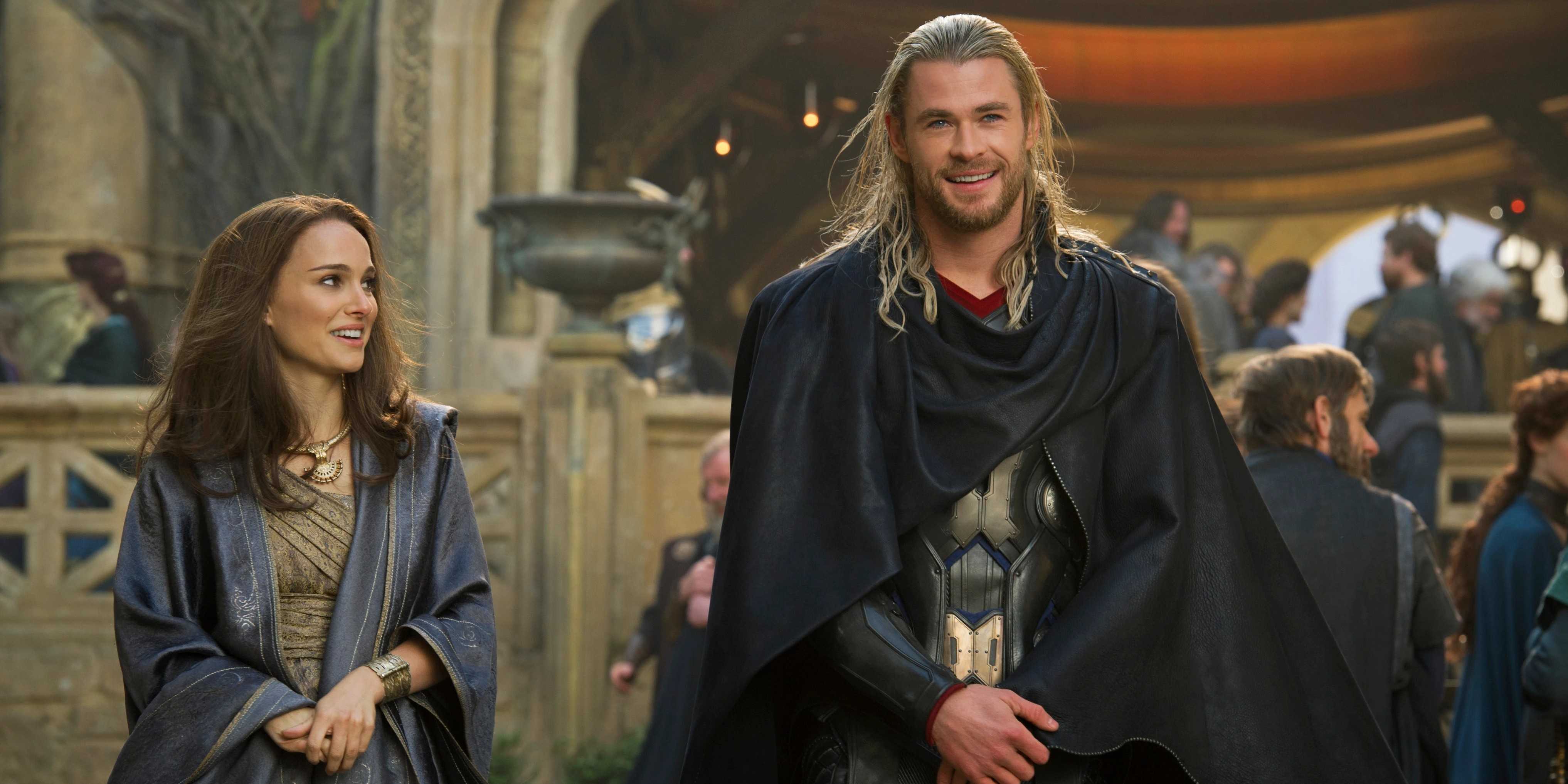
Amidst the Marvel cinematic universe's ever-evolving landscape, The Dark World stands as a peculiar case—a film that has long been dismissed yet quietly warrants a second glance in 2026. Having endured as the lowest-ranked entry among the franchise's early installments, this 2013 release invites fresh contemplation, especially after recent rewatches and shifting narrative contexts.
While initially perceived as the weakest link in the MCU chain, Thor: The Dark World offers layers often overlooked. The film's production challenges, including a compressed schedule and directorial changes, contributed to its uneven execution. Nevertheless, it presents moments of genuine brilliance—most notably Tom Hiddleston's magnetic portrayal of Loki, a performance that elevates the entire project.
Revisiting the movie through the lens of subsequent MCU entries reveals nuances that may have escaped initial viewers. The dynamics between Thor and Jane Foster, though flawed, gain depth upon reflection. Moreover, the film's thematic explorations of sacrifice and consequence resonate more profoundly when measured against later stories like Avengers: Endgame and Secret Wars.
Even as its technical shortcomings persist, Thor: The Dark World harbors unexpected strengths. Its visual storytelling, particularly in the climactic sequences involving the Nine Realms, hints at a cosmic ambition that only fully matures in later phases of the saga. This evolving appreciation underscores why the film merits reconsideration—not as a masterpiece, but as a transitional piece rich with potential.
Ultimately, while it may never claim the throne among Marvel's finest, The Dark World deserves recognition for its role in shaping the MCU's narrative arc. Its presence encourages fans to engage with the franchise holistically, acknowledging growth across time and recognizing value in works once written off.
