Top 10 Slasher Franchises With The Most Sequel Potential
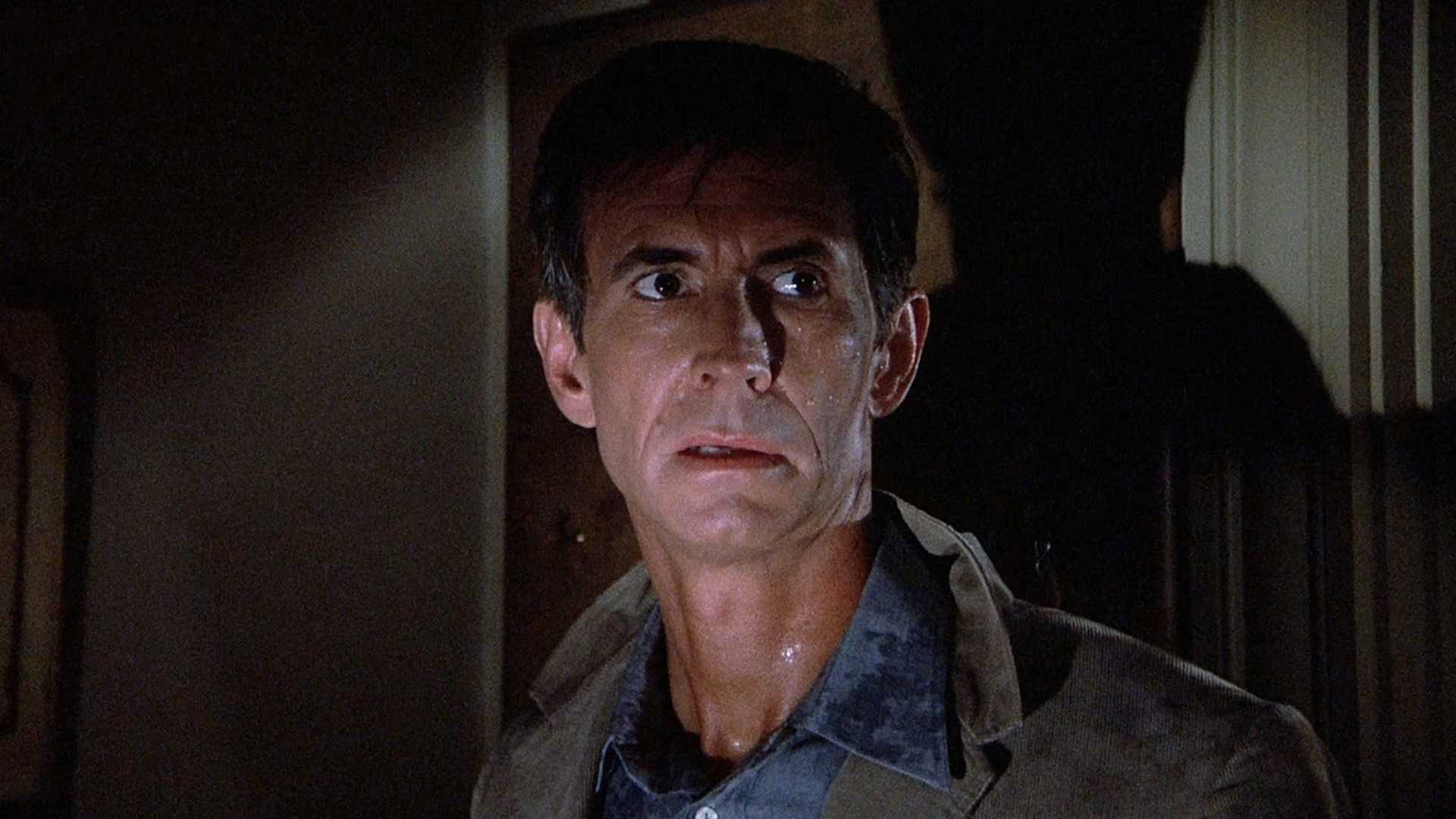
This comprehensive guide examines the legacy and future prospects of slasher franchises that have defined the horror genre through their numerous sequels.
From the relentless killings of Terrifier to the iconic status of Halloween, each series offers a unique take on the formulaic yet beloved slasher narrative. We explore what makes these franchises endure, their evolution over time, and why certain entries stand out in terms of fan reception and box office success.
Key factors such as character development, innovative horror elements, and cultural relevance are analyzed to determine which franchises are poised for further expansion. Additionally, we consider industry trends, audience demographics, and production challenges that influence the creation of new sequels.
10 Terrifier
With three films to its name, Terrifier has carved out a niche as one of the most brutal and unhinged entries in the subgenre. David Howard Thornton's portrayal of Art the Clown delivers a mix of camp and genuine terror, appealing to both horror purists and casual viewers. Despite its controversial reception, the franchise continues to attract a dedicated following eager for more of its grotesque spectacle.
9 X
Unlike typical slasher series, X distinguishes itself through artistic ambition and psychological depth. Pearl's chilling presence combined with visually stunning sequences sets it apart as a modern classic. The trilogy’s ability to balance innovation with tradition ensures its continued presence in discussions about influential horror franchises.
8 Candyman
Rooted in social commentary, Candyman blends folklore with urban anxiety to create a horror experience that resonates beyond mere scares. The franchise’s exploration of race and identity elevates it above many peers, contributing to its lasting appeal and potential for revival in contemporary contexts.
7 Psycho
Alfred Hitchcock’s masterpiece remains a cornerstone of cinematic horror, inspiring countless imitations while retaining its status as a timeless classic. The franchise’s expansion into sequels and TV adaptations demonstrates its adaptability, though purists often debate whether later entries match the original’s brilliance.
6 Scream
Wes Craven’s meta-commentary on horror tropes revitalized the slasher genre in the 1990s. The franchise’s self-aware humor and evolving narrative structure allow it to stay relevant, with new films continually introducing fresh perspectives on the killer archetype.
5 Child's Play
Known for its consistent creative vision under Don Mancini, the Child's Play series balances horror with heartfelt storytelling. Chucky’s enduring popularity underscores the importance of character-driven narratives in sustaining long-term franchise success.
4 The Texas Chainsaw Massacre
As one of the earliest slasher films, Leatherface’s legacy is both notorious and influential. Despite inconsistent quality in later entries, the franchise’s raw intensity and cultural impact ensure its place in horror history.
3 A Nightmare On Elm Street
Freddy Krueger’s dream manipulation abilities redefined horror possibilities, merging supernatural elements with psychological terror. The series’ blend of surrealism and nostalgia keeps it alive in pop culture consciousness.
2 Friday The 13th
Jason Voorhees’ mythos has become synonymous with slasher cinema. The franchise’s ability to adapt to changing audience tastes while maintaining core themes highlights its resilience and commercial viability.
1 Halloween
John Carpenter’s original film set the template for the genre, and its legacy endures through meticulous storytelling and atmospheric tension. The franchise’s exploration of fear and vulnerability continues to inspire new generations of filmmakers.
