Iconic Western Antagonists: From Classic Films to Modern Masterpieces
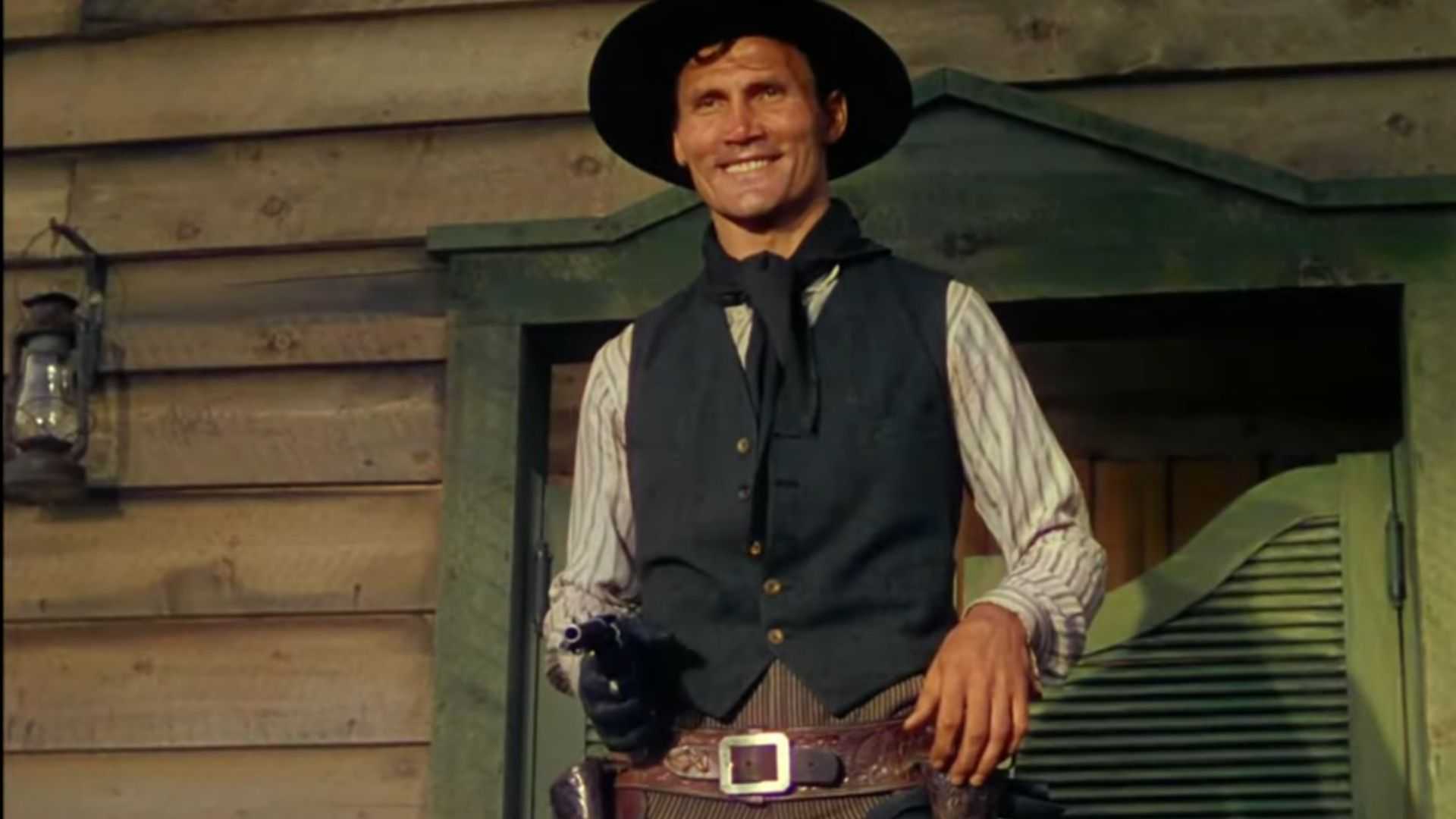
Delving into the rich tapestry of Western cinema, this piece highlights the most compelling antagonists who have shaped the genre's legacy. From the early days of silent film to contemporary masterpieces, these characters have defined what makes a villain truly iconic.
Starting with The Great Train Robbery, which established the Western as a dominant force in early Hollywood, the narrative quickly evolved. Figures like John Wayne's Wil Anderson and James Stewart's Ranse Stoddard set standards for heroic stoicism. Yet, it was the emergence of formidable antagonists that truly elevated the genre.
Bruce Dern's portrayal of Asa Watts in The Cowboys brought a raw authenticity to the role of a dangerous outlaw, provoking real-world reactions due to its realistic depiction of violence. This marked a shift towards more complex characterizations, where villains possessed depth and motivations beyond mere antagonism.
Lee Marvin's Liberty Valance in The Man Who Shot Liberty Valance exemplified this trend, transforming a supporting character into the film's central figure. His performance underscored the theme that effective villains often reflect societal fears and desires, becoming symbols of larger conflicts.
Similarly, Jack Palance in Shane redefined the cowboy archetype by infusing his character with haunting vulnerability beneath a menacing exterior. His Oscar-nominated performance cemented the idea that great villains could evoke both fear and sympathy.
Modern interpretations continued this tradition. Daniel Day-Lewis as Daniel Plainview in There Will Be Blood merged ambition with primal menace, creating a character whose hunger for power mirrored America's westward expansion. Meanwhile, Henry Fonda's unexpected turn as a cold-blooded villain in Once Upon a Time in the West demonstrated how genre expectations could be subverted to shocking effect.
Powers Boothe's Curly Bill Brocius in Tombstone embodied the chaotic energy of frontier justice, while Lee Van Cleef's Angel Eyes in The Good, the Bad and the Ugly became synonymous with spaghetti Western intensity. These portrayals illustrate how villains serve as foils to protagonists, amplifying themes of greed, survival, and moral ambiguity.
Even contemporary entries like Russell Crowe's Ben Wade in 3:10 to Yuma and Gene Hackman's Little Bill Daggett in Unforgiven offer nuanced takes on anti-heroism, proving that Western villainy remains fertile ground for exploring human complexity. Each performance contributes to an ongoing dialogue about power, redemption, and the blurred lines between heroism and villainy.
Through these examples, it becomes clear that Western antagonists are not merely obstacles but essential components of storytelling. Their presence challenges protagonists, drives plot development, and enriches cultural narratives about identity and civilization.