Why Some Best Picture Winners Don't Stand the Test of Time
Published on May 10, 2026, this article delves into the often controversial history of the Academy Awards' Best Picture category, revealing why certain winners fail to maintain their prestige over the years.
While the Oscars are revered as the pinnacle of cinematic achievement, the selection process is far from infallible. The category's tendency to spotlight divisive films highlights the subjective nature of artistic merit and public reception.
From Green Book, criticized for its superficial treatment of race relations, to Driving Miss Daisy, marred by stereotypical portrayals, the list reveals a pattern of wins that struggle to endure cultural scrutiny.
Other notable mentions include The Artist, a novelty that quickly lost relevance, Crash, whose heavy-handed messaging felt dated, and Shakespeare in Love, a romanticized period piece whose legacy has diminished since its victory.
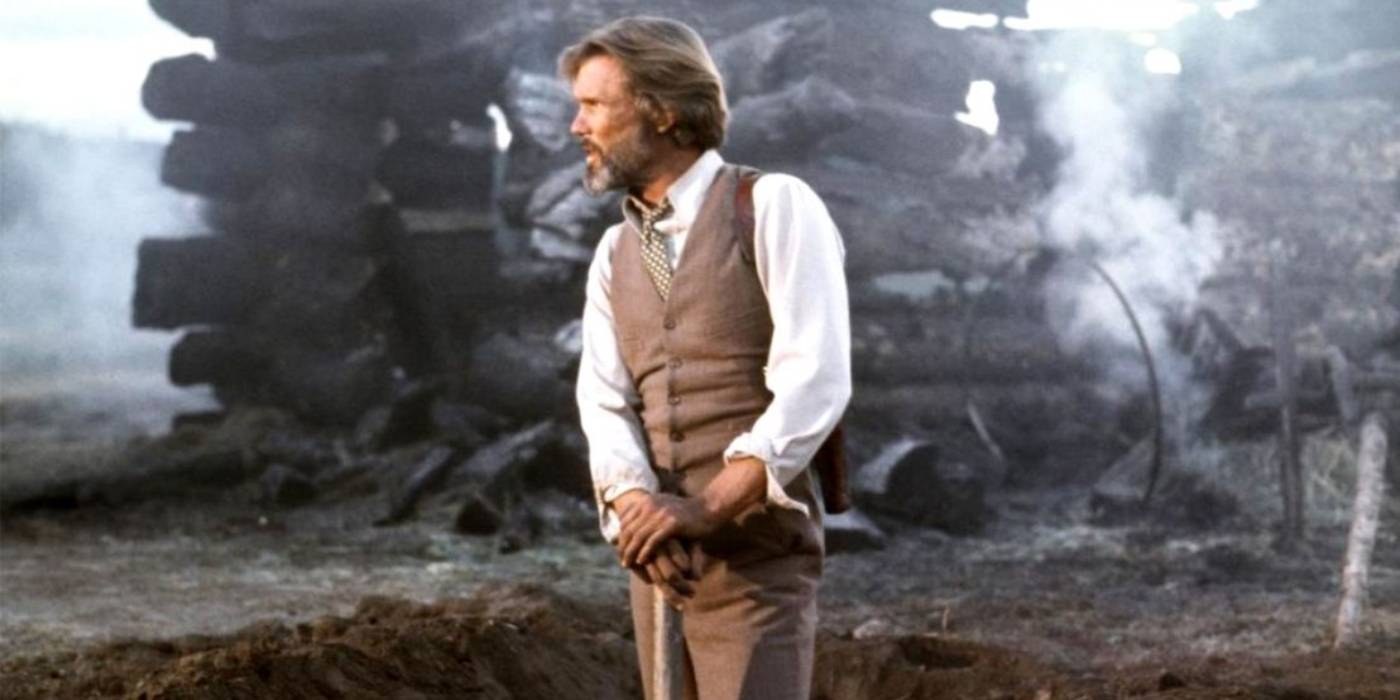
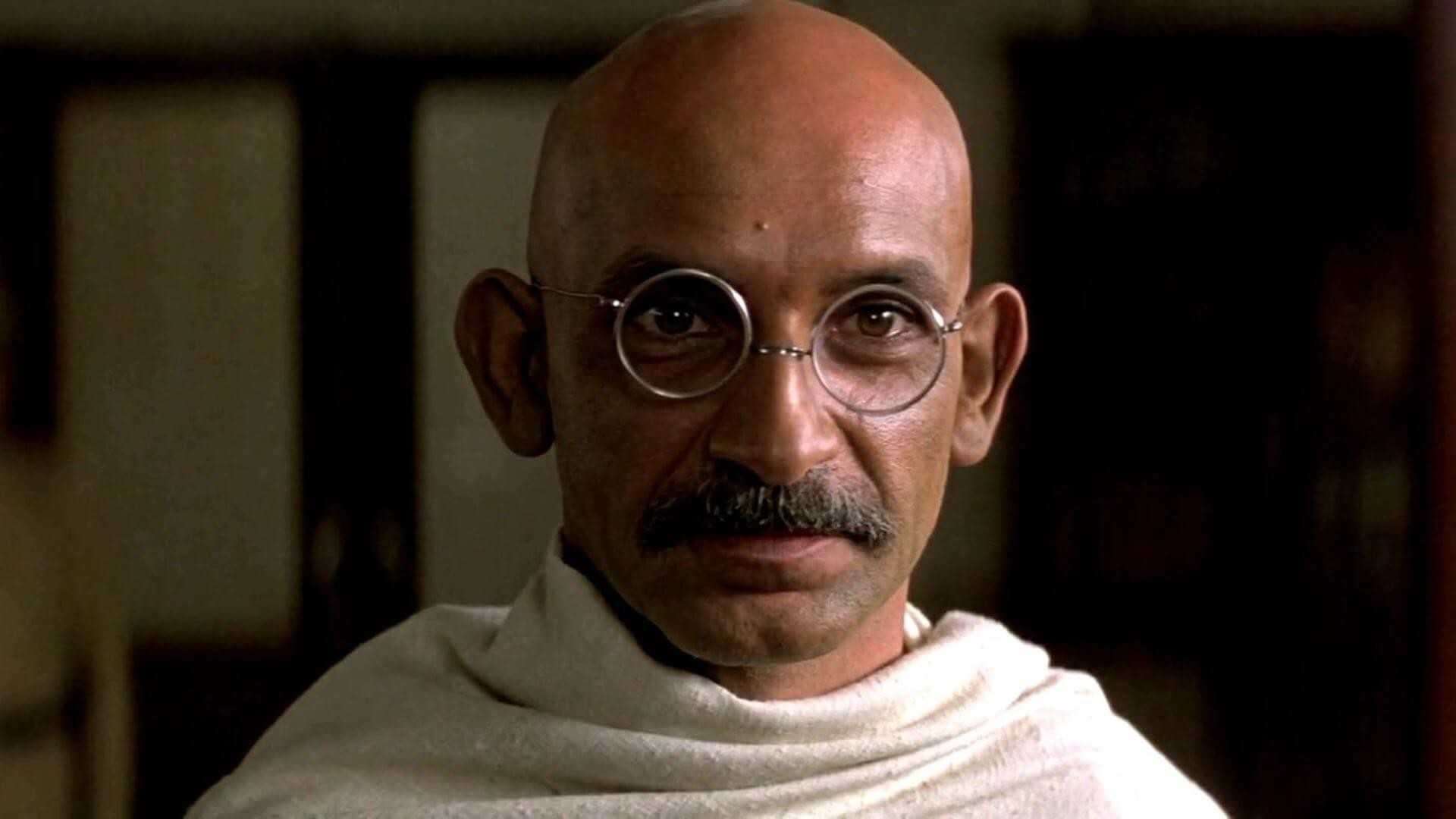
Even classics like Out of Africa and Gandhi face criticism for their lack of nuanced performances, while older winners such as Tom Jones and The Greatest Show On Earth are remembered more for their visual spectacle than narrative depth.
Ultimately, the article argues that the Best Picture awards often reflect the values of their time rather than timeless artistry, prompting reflection on what truly constitutes cinematic greatness.