Clint Eastwood's The Outlaw Josey Wales: The Last Classic Western of the 1970s
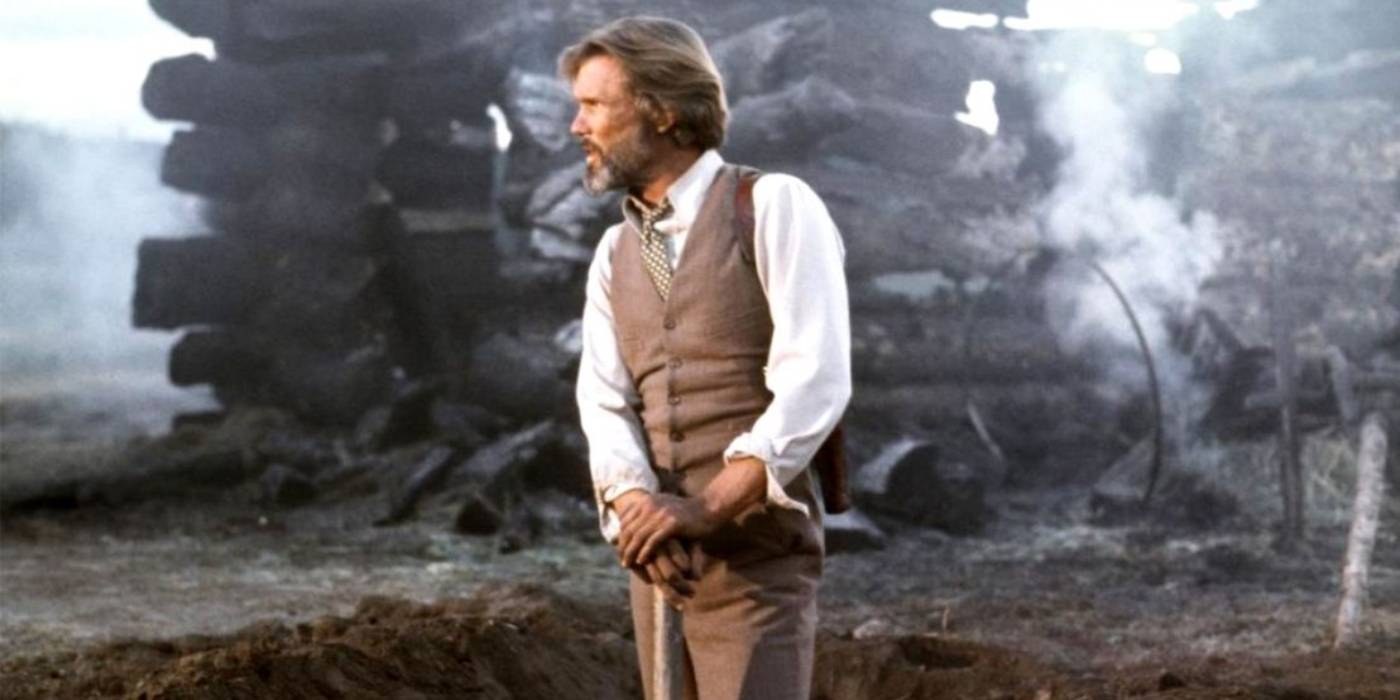
Published on May 14, 2026, this piece delves into the significance of Clint Eastwood's The Outlaw Josey Wales, a film that epitomized the twilight of the Western genre during the 1970s.
Eastwood's portrayal of the titular character revitalized the Western, offering a fresh perspective that contrasted sharply with the genre's previous conventions. The film's success demonstrated that there was still a strong appetite for Westerns among audiences, even as the decade progressed.
Through its narrative and cinematic achievements, The Outlaw Josey Wales stands as a testament to Eastwood's directorial and acting prowess, securing its place as a seminal work in film history. The movie's influence extended beyond its immediate success, shaping the future of the genre and inspiring subsequent filmmakers.
Clint Eastwood's The Outlaw Josey Wales: The Final Major Hit of Its Era
The Outlaw Josey Wales remains a beloved classic due to its compelling storytelling and Eastwood's iconic performance. The film's financial success, earning ten times its budget, underscored its widespread appeal and the public's enduring fascination with the Western genre.
Despite mixed critical reception at the time, the movie has since been recognized for its cultural significance and contribution to cinema. It served as a bridge between the traditional Westerns of the past and the evolving landscape of film in the late 20th century.
The Western Genre's Decline After The Outlaw Josey Wales
Following the release of The Outlaw Josey Wales, the Western genre experienced a sharp decline. The film industry's focus shifted, and the once-popular Western began to fade from mainstream attention, leaving a void that would take decades to fill.
The subsequent years saw fewer high-profile Western releases, with notable exceptions like Heaven's Gate, which inadvertently hastened the genre's downturn. This period marked a turning point, as studios and audiences alike moved toward other cinematic trends.
The legacy of The Outlaw Josey Wales, however, persists. Its impact is evident in the renewed interest in Western themes and storytelling, proving that Eastwood's vision was both timely and timeless.
Clint Eastwood as Josey Wales in the 1976 film The Outlaw Josey Wales
Overexposure and Mismanagement Doomed the Western Genre in the 1970s
The 1970s saw a saturation of Westerns, leading to audience fatigue. Poorly received sequels and a lack of innovative storytelling contributed to the genre's downfall. The release of Heaven's Gate epitomized this era of mismanagement, resulting in a costly failure that discouraged further investment in Westerns.
As the decade closed, the Western was largely abandoned by Hollywood, relegated to niche markets and occasional revivals. Yet, the groundwork laid by films like The Outlaw Josey Wales ensured that the genre would never completely disappear, waiting for a resurgence in interest.
Overexposure Negatively Impacted Westerns in the 1970s
The proliferation of Westerns throughout the 1960s and 1970s led to a decline in their cultural relevance. The genre's overuse made it predictable and less appealing to viewers seeking fresh narratives. This oversaturation, coupled with changing tastes, sealed the fate of many Western productions.
Despite these challenges, The Outlaw Josey Wales emerged as a beacon of quality within the genre, proving that well-crafted stories could still captivate audiences. Its success highlighted the potential for Westerns to evolve and adapt, even as the broader industry moved elsewhere.