8 Worst Things About Being A Doctor Who Fan In The 2020s
By Published May 3, 2026, 7:00 AM EDT Ben is a Senior Writer on the New TV team at Screen Rant. He graduated from the University of Central Lancashire with a First Class B.A. Degree in English Literature and History.
Born and raised in Ireland, Ben has always had a love for storytelling in all forms of media and operates multiple projects under the name Benjamin Blogs. Ben is a comic book writer and podcast host, in addition to his work as an entertainment journalist. He has worked as both a writer and editor for Screen Rant, Collider, and other media outlets across various departments, including features, news, reviews, and interviews. Summary Generate a summary of this story follow Follow followed Followed Like Like Log in Here is a fact-based summary of the story contents: Try something different: Show me the facts Explain it like I’m 5 Give me a lighthearted recap
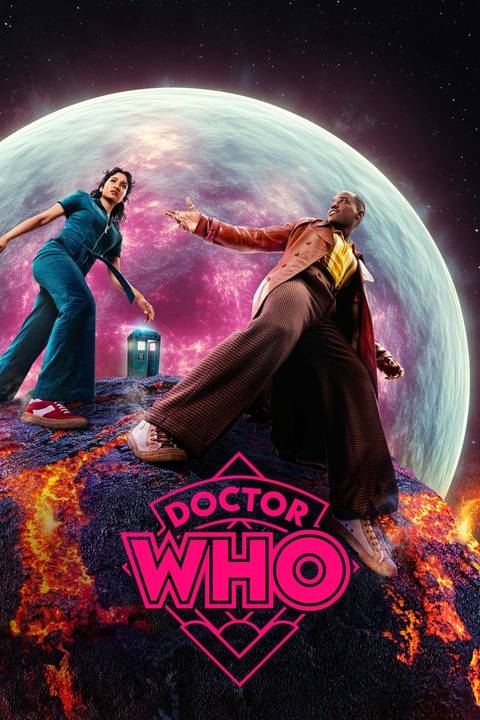
is one of the longest-running shows on TV, but the 2020s have left fans of the series feeling deflated for several reasons. Doctor Who came back in 2005 after a long hiatus that saw the series canceled in 1989. In between those two dates, the Doctor did have a solo feature adventure with Paul McGann as the Eighth Doctor in an attempt to move the show to the States, but it failed to gain the audience it had hoped for.
Despite this, the 2005 revival was broadly welcomed, with , and Christopher Eccleston delivering a stellar performance as the "Mad Man in a Box." Unfortunately, after fifteen years of relative success for the show, the 2020s have been significantly less kind.
While there are a number of reasons that appear to have evolved out of the show's progression and changes over time, there are other elements that stand out as the biggest reasons why it's difficult to be a fan of Doctor Who in its latest era.
Not Being Able To Say "The Doctor Originally Came From Gallifrey..."

First up, one of the biggest seismic shifts in the show's history came under the tenure of showrunner Chris Chibnall, as he completely altered the origins of the Doctor. Over the decades, the series has adapted and shifted certain aspects of the story, and even who the Doctor is, but the introduction of the Timeless Child narrative has single-handedly thrown the entire history of the show into question.
In the ," the Doctor was shocked to learn that they had been lied to their entire life, and despite being raised as a normal Time Lord child on Gallifrey, they were in fact a much more integral part of their society than they had been led to believe.
The episode revealed that the Doctor was a mysterious being who fell from the sky, and whose unique genetics opened the door for the Time Lord race to develop the ability to regenerate. Unfortunately, that means that they are not actually from Gallifrey, and they are now more mysterious than ever, with their entire past becoming a complete mystery.
Classic Doctor Who Villains Being Given A CGI Overhaul

One of the more charming aspects of old school TV, especially in the world of sci-fi, was the use of practical effects and costumes to bring aliens and monsters to life. Doctor Who benefited from this in a major way from 1963 all the way up to the modern era of the show, but as the budget expanded and the ambition grew, things have changed.
Some of the most recent episodes of Doctor Who have continued to employ practical effects in combination with CGI, but in other instances, such as when bringing back classic villains, the show has opted for a CGI-first approach. Unfortunately, that means much of the early charm has evaporated.
Only Getting 8 Episodes Per Season

This is a problem that exists for the majority of TV shows, not just Doctor Who, but with the rise of streaming and the evolution of TV in general, shows have gone from having more episodes in a single season to a more condensed timeline that consists of single-digit episodes in each season.
Consider for a moment that the classic era of the show had a release schedule resembling soap operas, with short 20-minute episodes that told a single story across three to six episodes, with a new episode airing every week for about 9 or 10 months of the year.
When the show returned in 2005, seasons consisted of about 13 episodes, or just over 3 months of the year when released on a weekly basis. Then by 2017, the show started to wind back to about 10 episodes a season, before the most recent entries have gone down to 8 episodes a season, or just two months' worth of Doctor Who in a given year when a season of the show airs. Frankly, this just isn't enough.
No Clear Future For Where The Series Is Going Or Where It Will Live

The most recent seasons of Doctor Who seemed to be on a path to major improvements, with the series getting international interest and a partnership with Disney+ to stream the show outside the UK. This also led to a bump in the budget, but after two seasons, the deal has fallen apart, and .
While the BBC has promised to continue in their commitment to the show in the UK, there is no clear plan for when a new season will be released, who will play the Doctor next, or how it will be shared with the rest of the world.
Recent Doctor Who Has Put The Message Over The Story

Another unfortunate victim of the latest era of Doctor Who has been the stories as a whole. While the show has always been on the cutting edge and managed to incorporate forward-thinking messages and progressive ideals, the show has gotten to the point where many of these ideas seem to take precedence over the actual story.
These messages are not the problem, but the lack of focus or attention on the actual vehicle that they are being transmitted across, namely the actual episodes and their narratives, has made them increasingly hollow and devoid of the exciting and thought-provoking characteristics that made the show a mainstay for so many decades.
The Doctor Who Fanbase Is Incredibly Divisive

On that same note, the Doctor Who fanbase appears to have become increasingly toxic, with a lot of vocal detractors constantly berating the elements of the show that they don't like. While criticism is healthy and can lead to a better product in the end, the creatives working on the show seem to be of the mindset of "ignoring the haters."
Meanwhile, fans of the way the show used to be make negative remarks about the modern era. Modern fans debate about how the older show missed the mark in so many ways, and the end result is a fanbase that is incredibly divided. Of course, with the show spanning several generations, there are many different people from all walks of life watching, with very different opinions about what makes the show great.
The Constant Attempts To Reinvent Doctor Who

In the face of so much change and responding to how the show needs to evolve, there have also been concentrated efforts to reimagine the show and reinvent it. The 2005 series notably shifted away from some parts of the earlier classic series, with updates to the way it was filmed and major changes that came with the fallout of the Great Time War.
Then, when Steven Moffat left the position of showrunner and handed things over to Chris Chibnall, the series had a female Doctor for the first time in the series run, along with new companions, a new style of shooting, and overall improved graphics. And finally, in 2026, the show rebooted as a brand-new series, with the same name, but starting again at season 1.
All of this has combined to make the show feel vastly different in a short span of time, and lose focus on some of the things that initially made it stand out. And not to mention the stunts that have been pulled in this new era, with David Tennant's return as the Fourteenth Doctor for just three episodes, the Bi-generation, the Timeless Child, and the latest regeneration into Billie Piper, though she may not necessarily be the Doctor. It's simply too confusing.
Remembering Doctor Who's Triumphant Return In 2005

All of this being said, one of the most challenging things about being a Doctor Who fan in the 2020s is the fact that the show's return in 2005 is still clear in many people's minds. When Doctor Who was revived, it beat considerable odds to bring a story that began in 1963, and largely died out in 1989, back to the small screen.
The show successfully reinvented itself and incorporated so many of the elements outlined above to a high standard, creating an iconic series and a whole new generation of Whovians. This success culminated in the global cinematic event of the Doctor Who 50th Anniversary in 2013, with two fan favorite Doctors sharing the screen, David Tennant and Matt Smith.
Since then, the show has continued to have a smattering of hit episodes and stellar performances from those cast as the Doctor and their companions, but that gave it so much life and energy in years gone by.

Cast
-
 The Doctor
 -
 Millie Gibson Ruby Sunday
Donald Wilson, Sydney Newman Expand Collapse
Follow Followed Like Share Close Trending Now